Serbia  ·  Danube River  ·  44°40'N

Smederevo

City of Stone & Wine — Where History Flows with the Danube

Live Data

City Dashboard

Real-time conditions in Smederevo, Serbia

Local Time
--:--:--
Loading...
Temperature
-- °C
Loading...
Humidity
-- %
--%
Wind Speed
-- km/h
--
Air Quality (AQI)
-- AQI
GoodModUSGUnhealthy
Loading...
Simulated data — Connect to OpenWeatherMap API and WAQI for live conditions. See js/script.js → CONFIG for integration.
About

The City of Smederevo

Where medieval grandeur meets the timeless flow of the Danube

Ancient Origins

Smederevo traces its roots deep into antiquity. Settlements along the Danube date back thousands of years, and Roman legions established strategic outposts in the region, recognizing the river as both a vital highway and a natural frontier. The nearby Roman town of Margum was one of the most important administrative centers of the province of Moesia Superior. Through the early medieval period, Slavic tribes settled the fertile plains and rolling hills, laying the foundation for what would become a great Serbian city.

Capital of Medieval Serbia

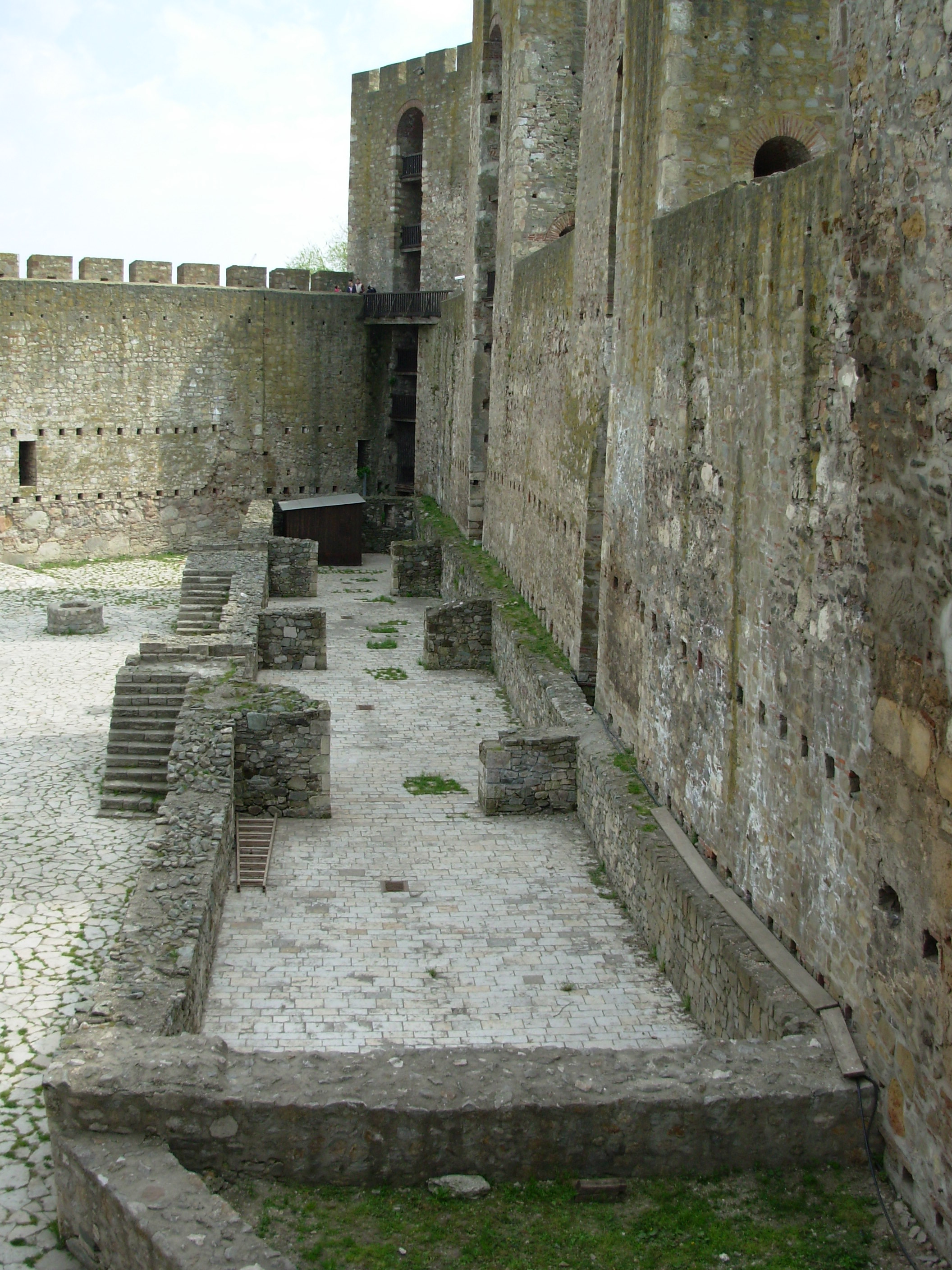
The city's most glorious chapter unfolded in the early 15th century. Serbian Despot Đurađ Branković chose Smederevo as the new capital of the Serbian Despotate, replacing Belgrade after its cession to Hungary. Between 1428 and 1430, he commissioned one of Europe's greatest architectural feats — the Smederevo Fortress. For nearly three decades, this walled city-fortress served as the political, cultural, and spiritual heart of medieval Serbia. Its fall to the Ottomans in 1459 marked the end of the medieval Serbian state.

Resilience Through Ottoman Rule

For over three centuries under the Ottoman Empire, Smederevo retained its strategic and commercial importance. Positioned on the Danube trade route, the city connected the Balkans with Central Europe. Though the language of governance changed, Serbian culture, Orthodox faith, and communal life endured with remarkable tenacity. Serbian culture was preserved through underground churches, secret manuscript libraries, and oral traditions — until the fires of the Serbian uprisings in the early 19th century lit the path to freedom.

Wine, Culture & Identity

Smederevo lent its name to one of Serbia's most celebrated grape varieties — the Smederevka — a crisp, aromatic white wine grape cultivated in these hills for centuries. The vineyards surrounding the city are a living tapestry of terroir and tradition. Annual wine festivals draw visitors from across the region, celebrating a viticultural heritage as old as the fortress walls. Wine tourism, cultural festivals, and a growing hospitality scene are transforming Smederevo into a compelling destination.

Modern Industrial City

Today, Smederevo is one of Serbia's most economically significant cities. The HBIS Group Serbia iron and steel complex — one of the largest in Southeast Europe — is headquartered here. With a population of approximately 65,000, Smederevo is investing in urban renewal, environmental improvement, and the restoration of its magnificent medieval fortress, ensuring future generations can share in its extraordinary legacy.

65K+
Population
~600
Years of History
45km
From Belgrade
11ha
Fortress Area
"Where ancient walls remember every empire that came and went — Smederevo endures."
Location

Smederevo District, Central Serbia

Coordinates

44°40'N · 20°56'E

River

Danube (Dunav) — 2nd longest in Europe

Elevation

~75 m above sea level

Advertisement
Sidebar Ad 300 × 250 · Local business
Advertisement
Leaderboard Banner (728 × 90 or Full-Width Responsive) Promote your business to Smederevo visitors — tourism, hospitality, local services
Discover

Landmarks & Attractions

Experience the places that define Smederevo's soul

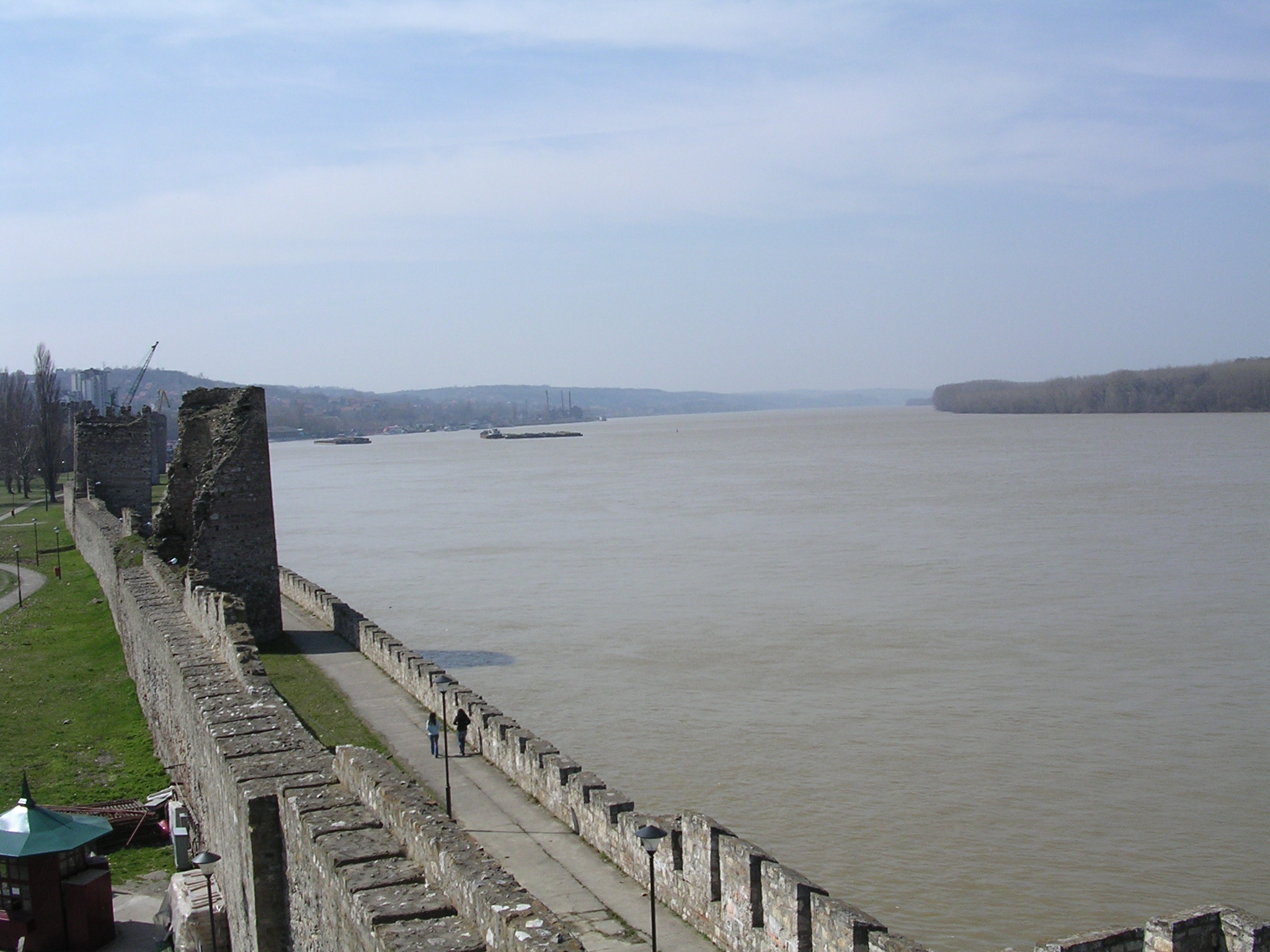
The Danube River at Smederevo, Serbia
Nature & Waterfront

The Danube River

Smederevo sits on the banks of the mighty Danube — Europe's second-longest river and the lifeblood of the region. The waterfront offers scenic promenades with views of the fortress, riverside restaurants, fishing spots, and sandy beaches. Sunset over the Danube, with the fortress silhouetted against an orange sky, is an unforgettable sight.

Fishing River Beaches Boat Tours
Smederevo countryside and vineyards in autumn
Viticulture

Vineyards & Wine Country

The hills surrounding Smederevo are blanketed in vineyards producing the indigenous Smederevka grape — a variety that carries the city's name across wine lists throughout the Balkans. Autumnal harvests bring the city to life with festivals and tastings. Local wineries welcome visitors for cellar tours, pairing dinners, and an intimate taste of Serbian rural culture.
Smederevka Grape Wine Tasting Autumn Festival
Smederevo Palace — home of the National Museum
Culture & History

National Museum

The National Museum of Smederevo preserves the city's extraordinary archaeological and historical legacy. Exhibits span prehistoric settlements, Roman-era finds from nearby Margum, and the full sweep of Serbian medieval history. The Despotate collection, with original artifacts from the fortress era, is particularly remarkable and draws scholars from across the country.
Medieval Artifacts Exhibitions
Cathedral of Saint George in Smederevo
Spiritual Heritage

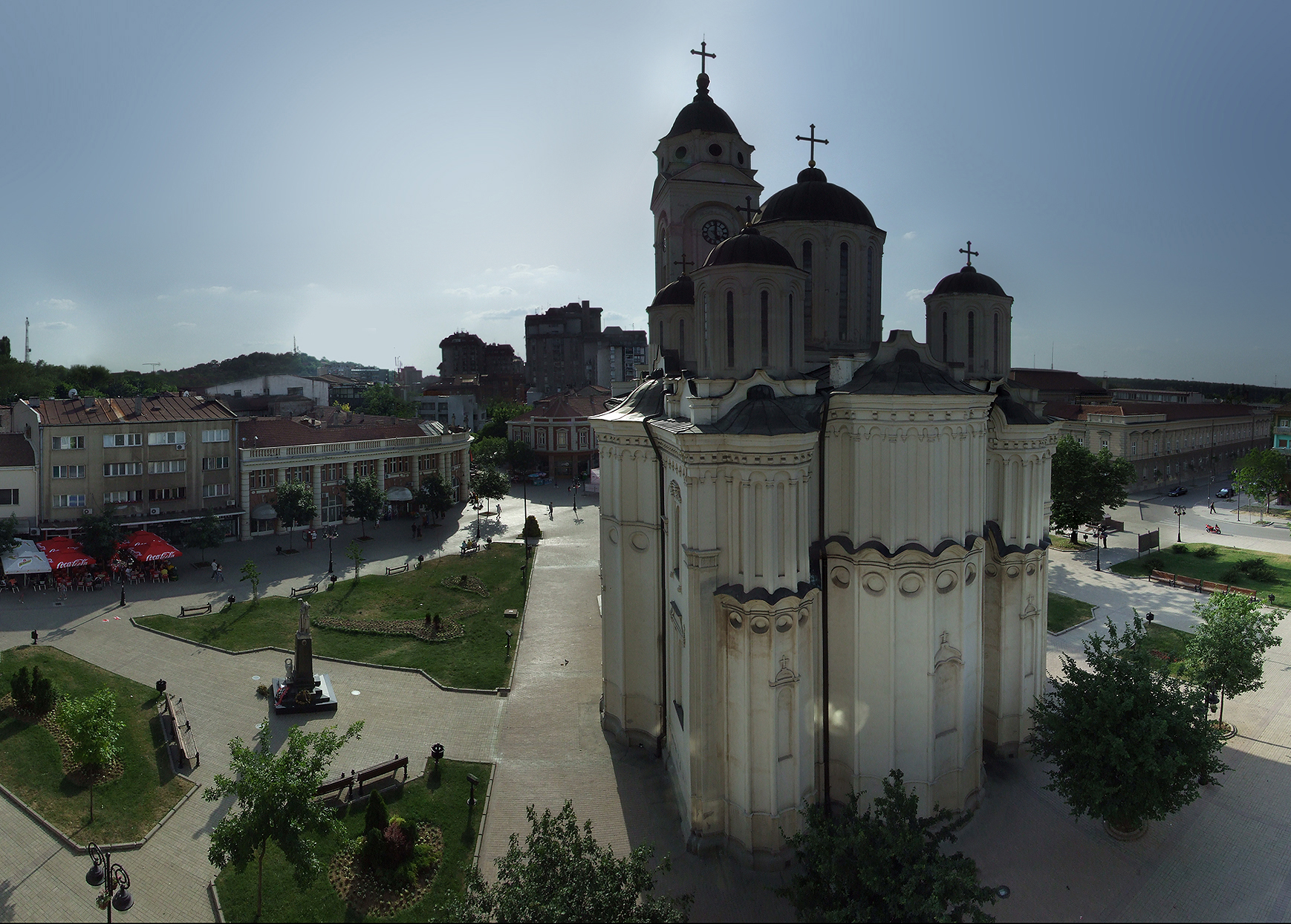
Cathedral of Saint George

The Cathedral of Saint George stands as a living repository of Serbian Orthodox faith, iconography, and community life. This striking 19th-century church is built in the classical Serbian style and houses a collection of sacred art. It remains an active spiritual center for the city's residents and a landmark of architectural heritage.

Orthodox Heritage Sacred Iconography
Smederevo city panorama and riverside area
Recreation

River Promenade

The riverside promenade is Smederevo's outdoor living room. In the evenings, locals gather along its illuminated paths, past waterfront cafes and restaurants. With the fortress looming above and the river stretching to the horizon, the promenade captures something essential about the city's spirit: ancient, unhurried, and quietly beautiful.

Riverside Dining Photography Evening Walks
Through Time

Historical Milestones

Six centuries of resilience carved in stone and memory

1st – 4th Century

Roman Presence on the Danube

Roman legions establish military outposts and the town of Margum at the confluence of the Morava and Danube rivers. The region becomes part of the Roman province of Moesia Superior, a strategically vital frontier zone.

13th Century

Serbian Medieval Settlement

Smederevo appears in historical records as a growing settlement under Serbian medieval rulers. Its location at the bend of the Danube makes it a valued point on regional trade and military routes.

1428 – 1430

Construction of the Fortress

Despot Đurađ Branković begins construction of the Smederevo Fortress — a monumental achievement of medieval engineering. Thousands of workers complete the triconch-plan fortress with 25 towers in under three years. Walls reach 2.5 m thick and 20 m high.

Defining moment for the city
1430

Capital of the Serbian Despotate

Smederevo replaces Belgrade as the capital of medieval Serbia. The city flourishes as a center of diplomacy, commerce, and culture. Serbian rulers host ambassadors from Venice, Hungary, and the Byzantine Empire within the fortress walls.

1439 & 1459

Ottoman Conquests — End of Medieval Serbia

The fortress falls to Ottoman forces in 1439, is retaken by Hungary in 1444, then falls permanently in 1459 — the last Serbian stronghold. The fall of Smederevo marks the end of the medieval Serbian state, commemorated in Serbian folk poetry to this day.

1459 – 1804

Three Centuries of Ottoman Rule

Smederevo remains an important regional center under the Ottoman Empire. Trade continues on the Danube, but Serbian culture, language, and Orthodox faith are preserved in homes, monasteries, and oral tradition.

1804 – 1815

Serbian Uprisings & Liberation

Smederevo plays a key role in both Serbian Uprisings. The city is liberated during the First Uprising under Karađorđe and again during the Second Uprising under Miloš Obrenović. The fortress briefly serves as a symbol of reclaimed sovereignty.

19th Century

Modernization & Nation-Building

With Serbian autonomy secured, Smederevo grows rapidly. New civic buildings, churches, and schools are established. The wine industry expands significantly — the Smederevka grape becomes famous across Central Europe.

June 5, 1941

The Great Explosion — WWII Tragedy

A catastrophic explosion at the German-occupied ammunition depot inside the fortress kills approximately 2,500 people — one of the deadliest single wartime incidents in Serbia. The city mourns but rebuilds with extraordinary determination.

1960s – 1990s

Iron, Steel & Industrial Growth

The establishment of the Iron & Steel Works transforms Smederevo into one of Yugoslavia's premier industrial cities. The population grows rapidly. Heavy industry brings economic prosperity, shaping the urban landscape.

2000s – Present

Modern Renaissance

Following Serbian independence and EU integration, Smederevo invests in fortress restoration, cultural programming, wine tourism, and urban renewal. The annual wine festival attracts tens of thousands. The city looks toward the future with quiet confidence.

An ongoing story
Advertisement
Medium Rectangle (300 × 250) Local restaurants & hospitality
Advertisement
Medium Rectangle (300 × 250) Wine tourism & events